Inside JDM Culture: More Than the Cars
The people, places and late-night energy that turned Japanese performance cars into a global culture.

When people hear JDM, the first image is often an iconic Japanese car. But the long-term appeal of JDM culture is not only about power figures, styling or a list of famous models.
Where does JDM begin?
JDM stands for Japanese Domestic Market and originally refers to products developed for Japan’s domestic market. Among enthusiasts around the world, the term is often used more broadly when talking about Japanese cars, parts, tuning styles and the culture that surrounds them.
Engineering and personal expression
Part of the appeal of Japanese car culture is the way a car can become a personal statement. Some owners value originality, others focus on performance, while others care about stance, wheels, sound or how a car appears through a camera. There is no single formula that defines everyone.
The community matters as much as the machine
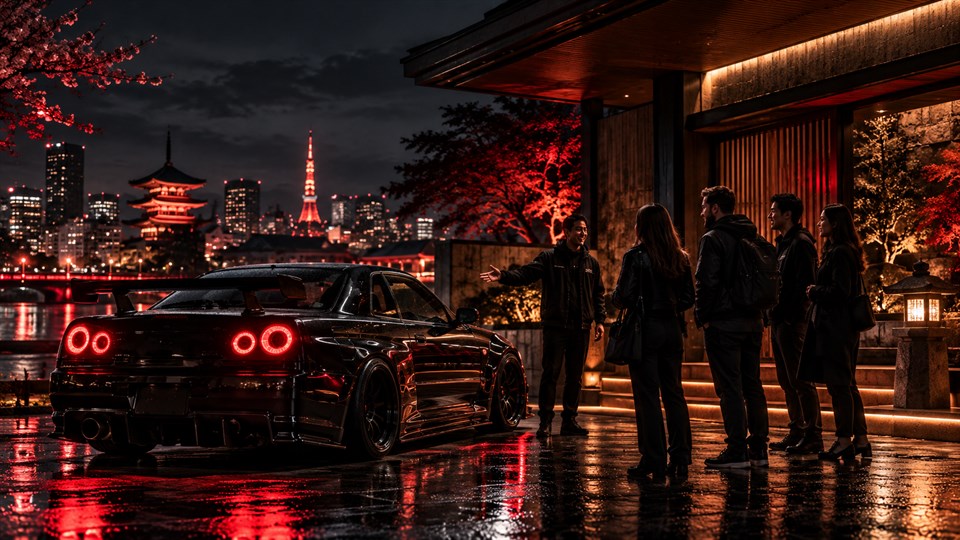
Car meets, garages, roads, parking areas and long conversations about technical details are what keep the culture alive. A car may be the starting point, but the relationships and stories built around it are often what bring people back.
Context makes a JDM experience richer
For someone new to the scene, seeing a beautiful car may not fully explain why it matters. Learning about the generation, the engineering intent, how enthusiasts use it and the spaces where the culture developed adds depth to the experience.
That broader view is also what J COMPLEX aims to explore: the car as part of a larger picture involving people, place and contemporary Japanese culture.
A simple way to read a car with context
Instead of starting with “how much power?”, try three different questions: what was the car designed to do, what keeps that generation relevant to enthusiasts, and what has the owner chosen to preserve or change? Those questions usually reveal more than a specification sheet alone.